
The psychology behind why we gamble understanding the allure of chance
The Thrill of Uncertainty
The allure of gambling often stems from the excitement associated with uncertainty. When individuals engage in games of chance, they experience a rush of adrenaline that can be both exhilarating and addictive. This thrill is deeply rooted in our psychology, tapping into the human desire for unpredictability and the unknown. Exploring options like an online casino without verification can heighten this sense of excitement, as risks can lead to emotional highs that are hard to replicate in other areas of life.
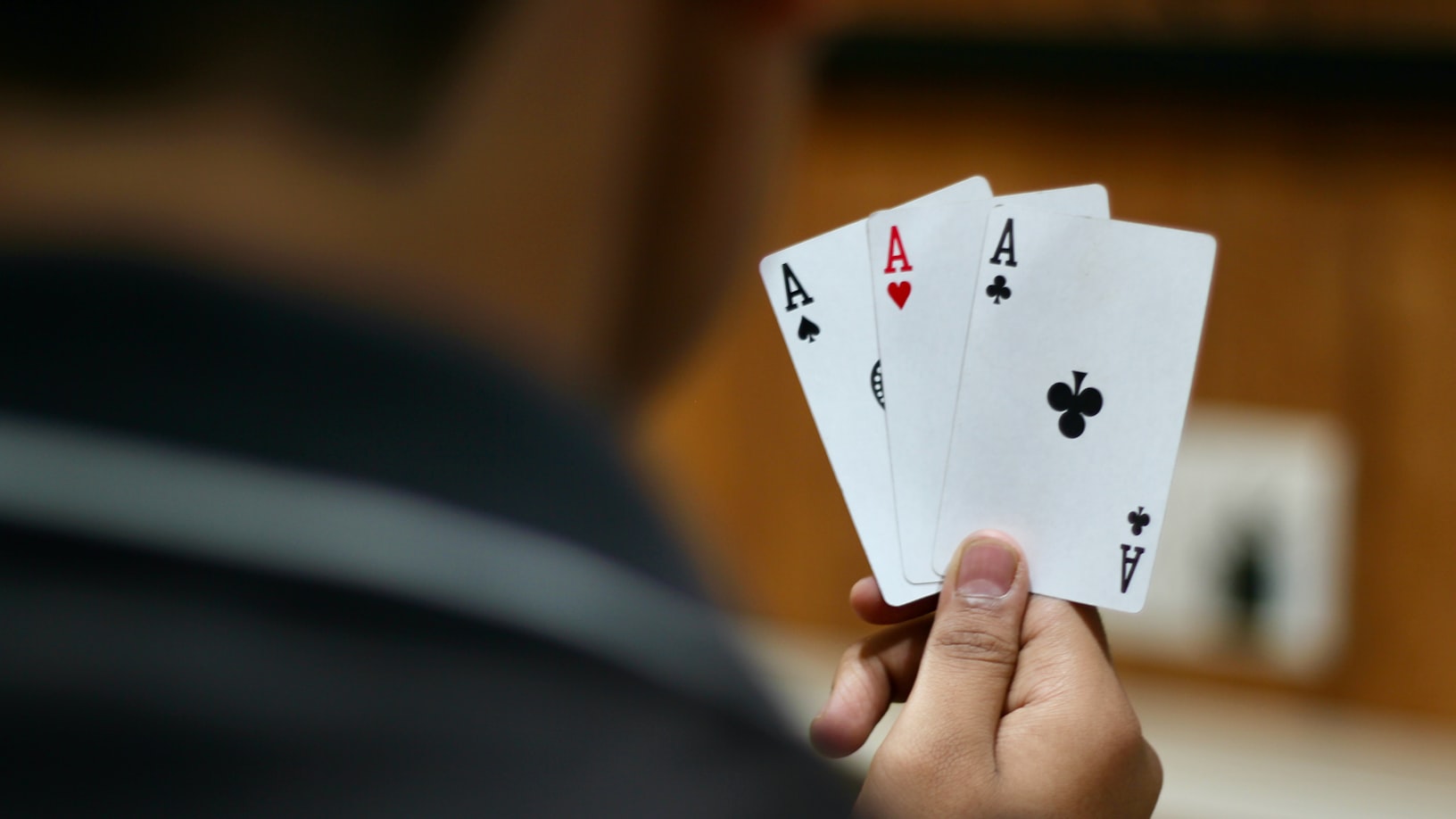
Furthermore, the element of surprise plays a crucial role in our attraction to gambling. Each spin of the roulette wheel or flip of a card offers the potential for unexpected outcomes. This randomness creates a stimulating environment where hope and aspiration thrive, often leading individuals to overlook the inherent risks involved. The anticipation of winning can make the experience feel rewarding, even if it ultimately results in a loss.
The Influence of Social Dynamics
Gambling is not just an individual pursuit; it’s often a communal activity that fosters social interaction. The social dynamics surrounding gambling can significantly enhance its appeal. Many individuals find joy in sharing the experience with friends or strangers, celebrating wins and commiserating over losses together. This sense of community can amplify the thrill of the game, making it more enjoyable than participating alone.
Social influence also plays a role in the decisions made while gambling. Observing others experiencing success can prompt individuals to take larger risks, driven by the desire to replicate that joy. This behavior highlights a psychological principle known as social proof, where people tend to emulate the actions of those around them, which can lead to increased gambling activity and, potentially, greater losses.
The Illusion of Control
Many gamblers fall prey to the illusion of control, believing they can influence the outcome of a game through skill, strategy, or sheer willpower. This misconception can lead individuals to engage in gambling more frequently, as they convince themselves that their decisions will impact their chances of winning. For example, players often develop rituals or systems they believe improve their odds, even in games that are purely based on chance.
This psychological phenomenon can be particularly dangerous, as it may encourage individuals to gamble more than they can afford, driven by the hope of a big win. As they continue to play, they often find themselves trapped in a cycle of betting, fueled by the belief that luck is just around the corner. Understanding this illusion is crucial for recognizing the underlying factors that drive gambling behavior.
The Role of Reward Systems in the Brain
The brain’s reward system plays a significant role in the psychology behind gambling. When individuals gamble, their brains release neurotransmitters, such as dopamine, which are associated with pleasure and reward. This release creates feelings of happiness and satisfaction, reinforcing the behavior and encouraging repeated gambling activities. The more frequently someone experiences these positive feelings, the more likely they are to seek out gambling opportunities.
Moreover, the immediate gratification associated with winning, even if it’s a small amount, can create a feedback loop that reinforces gambling behavior. This cycle can lead to problematic gambling habits, as individuals begin to prioritize the rush of winning over their overall well-being. Recognizing the impact of these brain processes is essential for understanding why many are drawn to gamble despite the risks involved.

Explore More About Gambling Psychology
Our website delves deeper into the fascinating world of gambling psychology, offering insights and resources for understanding the behaviors and motivations behind gambling. Whether you’re a casual player or seeking to understand the risks involved, our content aims to inform and educate. We cover everything from the neurological impacts of gambling to societal influences that contribute to the allure of chance.
Join us as we explore the complexities of gambling and uncover the psychological factors that drive this popular pastime. Through our research and articles, you will gain a comprehensive understanding of why gambling captivates so many individuals and how to engage with it responsibly.
